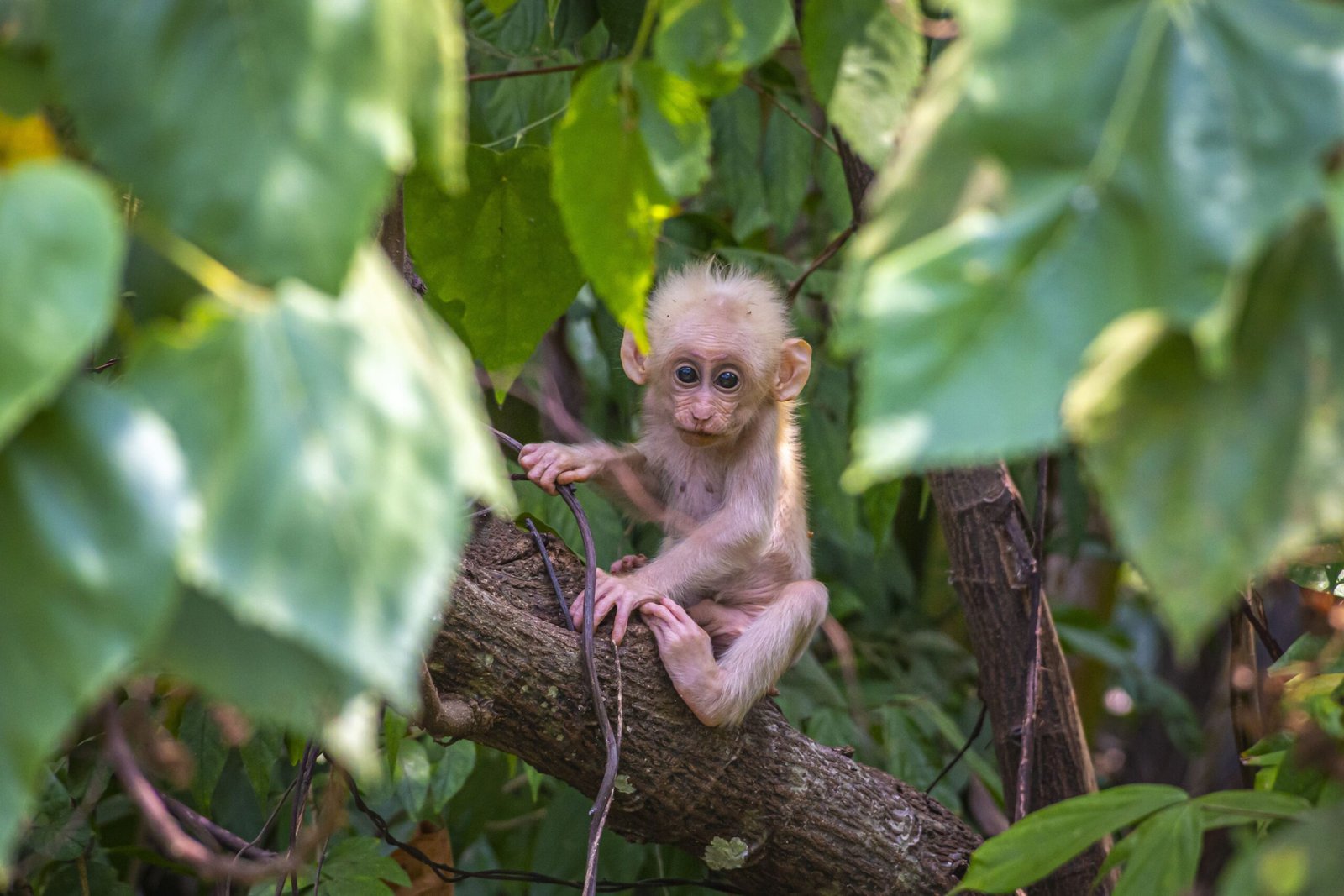
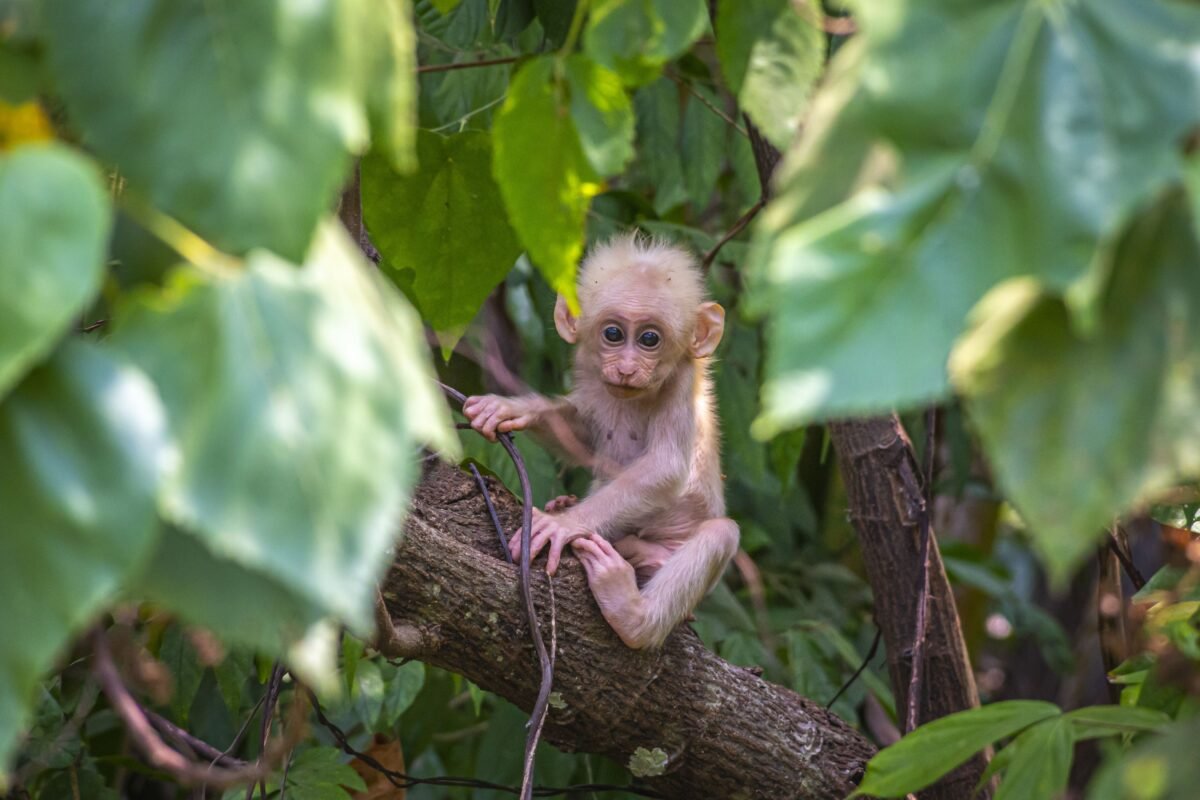
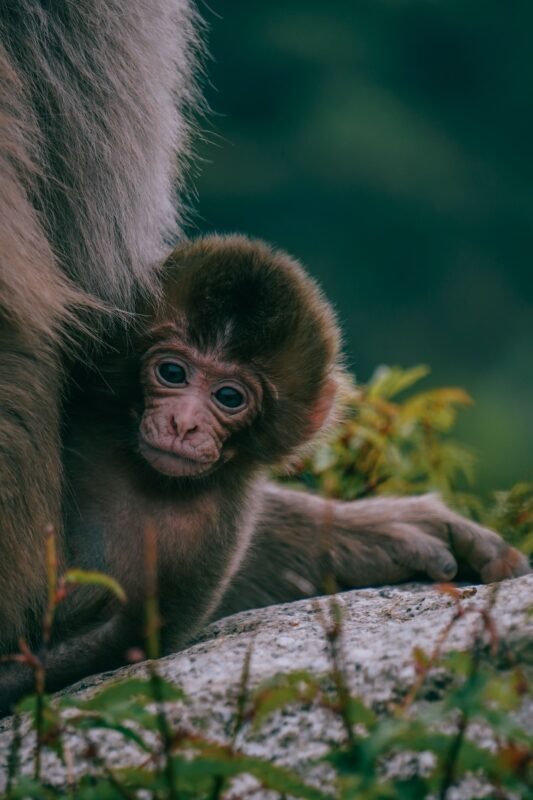
Pigtail monkeys are fascinating primates known for their intelligence, social behavior, and distinctive tail that resembles a pig’s tail. Native to Southeast Asia, these monkeys are active and curious animals that thrive in forest environments.
What Are Pigtail Monkeys?
Pigtail monkeys belong to the species Macaca nemestrina and are part of the macaque family. They are medium-sized monkeys commonly found in tropical forests across countries such as Malaysia, Indonesia, and Thailand.
Their name comes from their short, upward-curving tail, which resembles a pig’s tail.
Physical Appearance
Pigtail monkeys have strong, muscular bodies and thick brown fur. Their faces are typically lighter in color, and their eyes are expressive and alert.
Adult pigtail monkeys can weigh between 5 and 14 kilograms (11–31 pounds) depending on gender and age. Males are usually larger than females.
Intelligence and Curiosity
Like many primates, pigtail monkeys are highly intelligent. They are known for their ability to learn, observe, and adapt to their surroundings.
Their curious nature means they spend a lot of time exploring, climbing trees, and interacting with other monkeys in their group.
Social Behavior
Pigtail monkeys are very social animals and typically live in groups with complex social structures. Within these groups, they establish relationships, communicate with each other, and work together to find food.
Young monkeys learn many behaviors through observation and play.
Diet and Feeding Habits
In the wild, pigtail monkeys eat a wide variety of foods, including:
- Fruits
- Seeds
- Roots
- Insects
- Leaves and vegetation
Their flexible diet helps them adapt to different habitats.
Natural Habitat
Pigtail monkeys are most commonly found in tropical rainforests where trees provide shelter, food, and space for movement. They spend much of their time climbing and traveling through the forest canopy.
Why Pigtail Monkeys Are Interesting
Pigtail monkeys are admired for their intelligence, social interactions, and energetic personalities. Their unique appearance and active behavior make them one of the most interesting primates found in Southeast Asia.
Learning more about these animals helps people understand the complexity of primate behavior and the importance of protecting their natural habitats.