



Veterinary Checked & Healthy

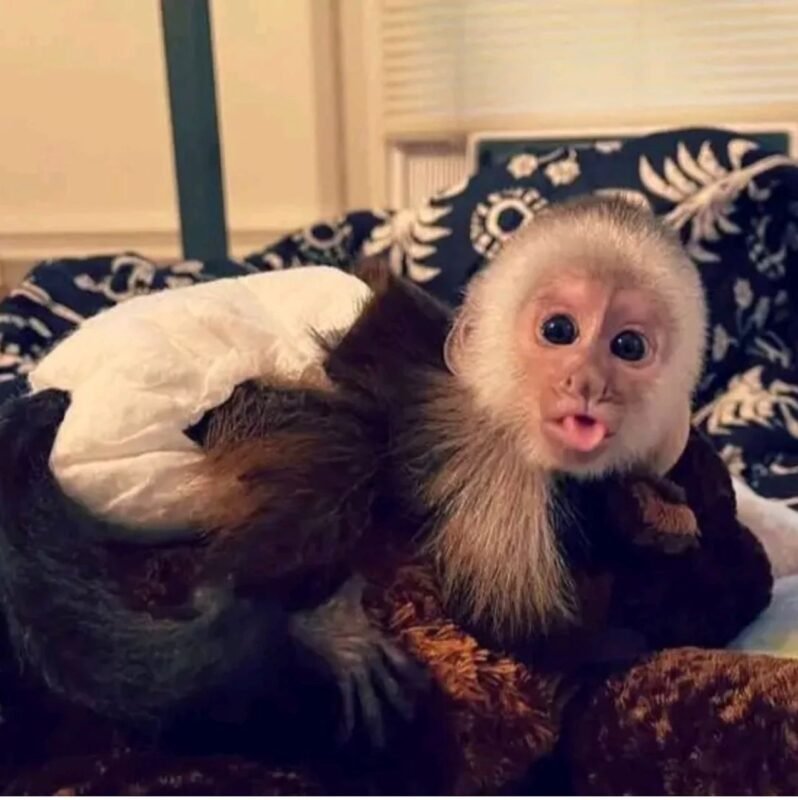
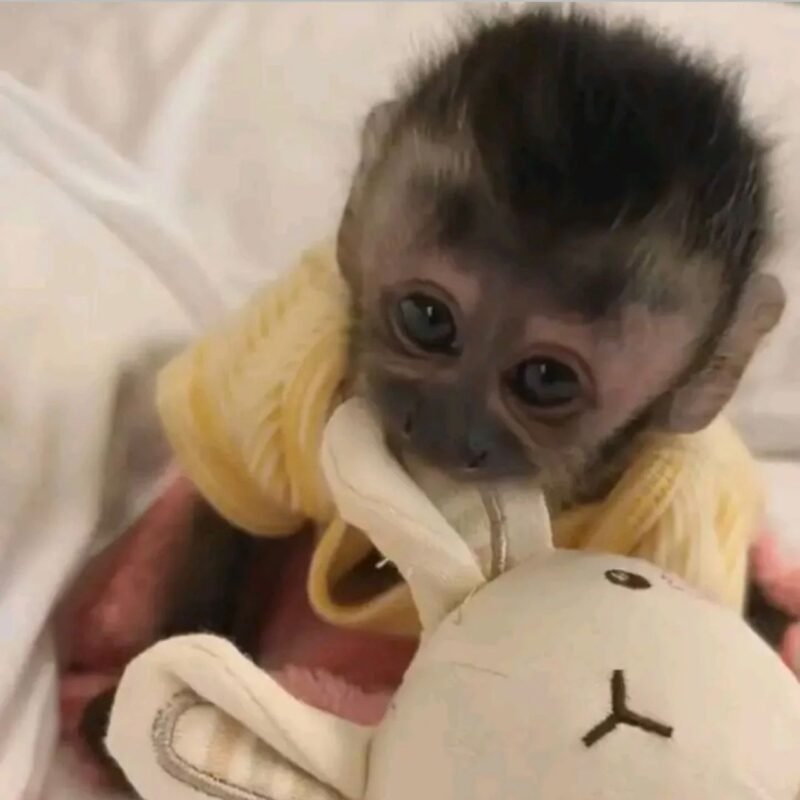
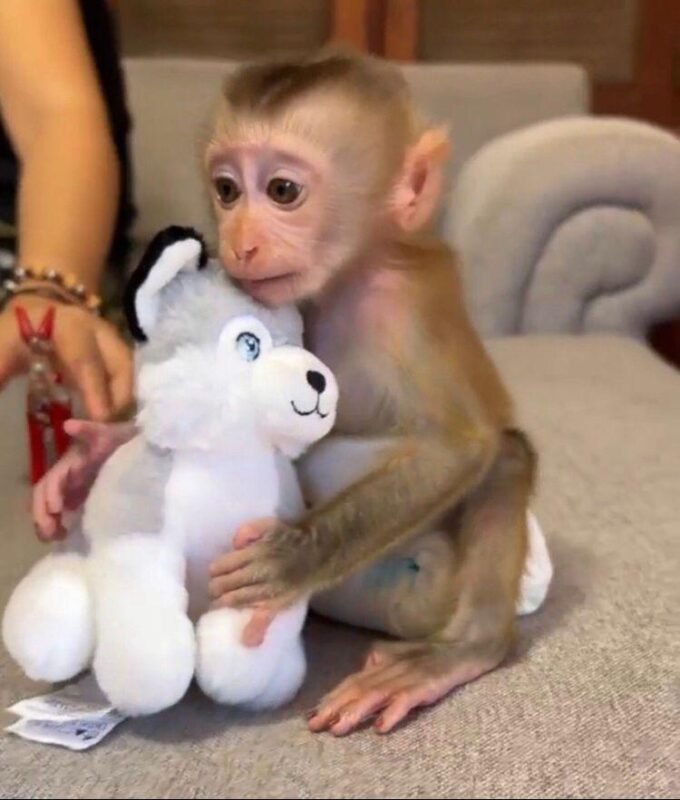
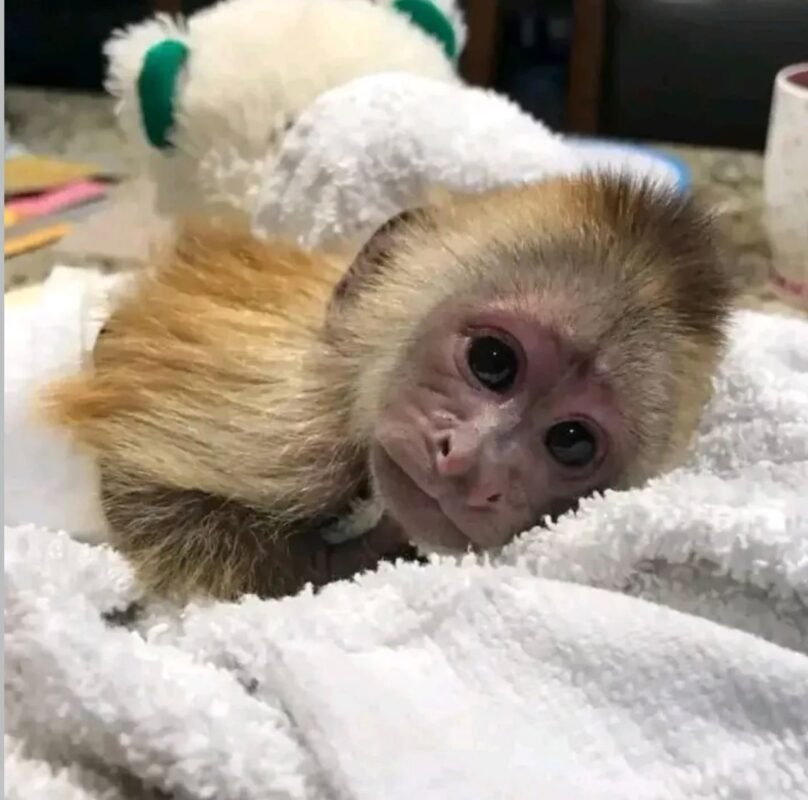
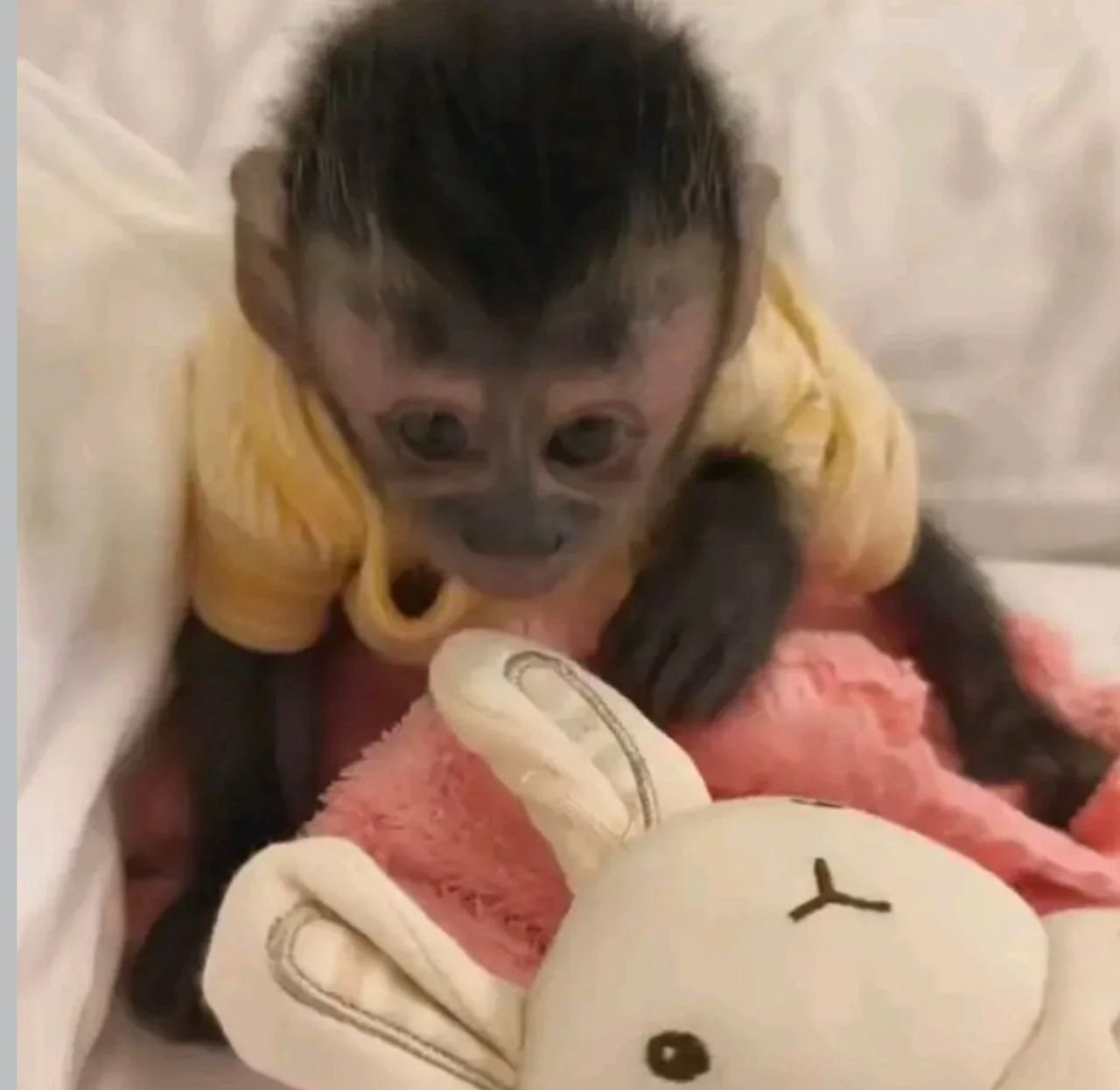
Breed: Capuchin Monkey
Age: 4 Weeks Old
Sex: Male
Vaccinations: Up-to-Date
A one-year genetic health guarantee comes With Registration Paper
Are you considering bringing home a charming and intelligent primate? Capuchin monkeys have become increasingly popular as exotic pets due to their playful nature, intelligence, and strong bonding potential with humans. If you’re asking, “Where can I buy a Capuchin monkey?” you’ve come to the right place. Here, we present a detailed profile of a 4-week-old male Capuchin monkey available for purchase, including essential information about its care, genetics, and legal considerations.
Capuchin monkeys, belonging to the genus Cebus, are small primates native to Central and South America. Renowned for their intelligence and dexterous hands, Capuchins have been featured in countless research studies, movies, and even as service animals due to their ability to perform complex tasks. They are highly social animals that thrive in an enriched environment, making them ideal companions for experienced exotic pet owners.
This particular Capuchin monkey is 4 weeks old, a stage in life where they require careful attention, socialization, and proper nutrition. Young Capuchins are especially receptive to human interaction if raised properly, which can enhance bonding and trainability.
This baby Capuchin is male, and like all primates, understanding the sex is important for behavior prediction, social dynamics, and long-term planning for housing multiple monkeys. Male Capuchins can become territorial as they mature, so it is essential to consider space and enrichment needs in your home.
Ensuring the health of your new Capuchin is a top priority. This monkey comes with all vaccinations up-to-date, protecting against common primate diseases. Vaccination history and medical records will be provided upon purchase, ensuring transparency and peace of mind.
A one-year genetic health guarantee accompanies this Capuchin monkey, giving you confidence in your new pet’s long-term wellbeing. This guarantee ensures that the monkey is free from known heritable diseases and meets established health standards for its age and breed.
Along with the monkey, full registration papers are included. These documents confirm the Capuchin’s lineage, age, and eligibility for breeding or participation in sanctioned events. Registration provides additional assurance of the animal’s pedigree and legitimacy as a legally acquired exotic pet.
Capuchin monkeys are native to Central and South America, typically found in tropical rainforests, dry forests, and mangroves. They are highly adaptable and can occupy both primary forests and secondary growth areas, often forming social groups of 10–35 individuals.
In captivity, replicating their natural habitat is crucial. A proper enclosure should include:
Multiple climbing structures to satisfy their arboreal nature.
Enrichment toys to stimulate problem-solving and dexterity.
Temperature control to mimic tropical climates.
Providing a space that encourages physical activity and mental stimulation is essential for the overall wellbeing of a Capuchin monkey.
Capuchins are omnivorous and have a varied diet in the wild. Their diet consists of:
Fruits: bananas, apples, berries, and mangoes.
Vegetables: carrots, sweet potatoes, leafy greens.
Protein sources: insects, eggs, and occasional small animals.
Nuts and seeds: in moderation, to support natural foraging behavior.
A balanced diet is essential to prevent nutritional deficiencies. Supplementing with vitamins and minerals may be recommended by exotic veterinarians. Fresh water must be available at all times.
Capuchin monkeys face several threats both in the wild and in captivity:
Habitat Loss: Deforestation in Central and South America reduces available living space.
Pet Trade: Illegal capture for the exotic pet trade has impacted wild populations.
Predators: In their natural environment, they are preyed upon by larger mammals and birds of prey.
Health Risks in Captivity: Poor diet, insufficient space, and lack of enrichment can lead to obesity, behavioral issues, and illness.
Responsible ownership is essential to ensure that these intelligent primates thrive under human care.
Before purchasing a Capuchin monkey, it is critical to understand local, state, and federal regulations. Exotic pet laws vary widely, and owning a primate may require permits, inspections, or proof of vaccination and registration. Working with reputable sources ensures compliance with all legal requirements.
When asking, “Where can I buy a Capuchin monkey?” it is crucial to choose a reputable breeder or rescue organization. One trusted source is Exotic Monkey Home, which offers healthy, socialized Capuchins with complete medical and registration documentation. Reputable sources follow strict ethical standards to ensure the wellbeing of their animals and provide guidance for long-term care.
Other important sources to research include:
Certified exotic primate breeders.
Rescue organizations that specialize in Capuchin monkeys.
Veterinary referrals and exotic pet networks.
Always verify the legitimacy of the source, request medical records, and review the animal’s living conditions before purchase.
Owning a Capuchin monkey is a long-term commitment. They can live 25–40 years in captivity and require daily interaction, proper diet, and mental stimulation. Some key care considerations include:
Social Interaction: Capuchins are highly social and need regular engagement.
Enrichment: Puzzle feeders, climbing structures, and safe toys prevent boredom.
Veterinary Care: Regular check-ups with an exotic animal veterinarian are necessary.
Housing: Secure, spacious enclosures with areas for climbing, hiding, and sleeping.
Proper preparation and research are crucial to ensure the health and happiness of your Capuchin.
A 4-week-old male Capuchin monkey with up-to-date vaccinations, registration papers, and a one-year genetic health guarantee is available for those ready to take on the responsibility of an exotic pet. By understanding their habitat, diet, potential threats, and legal requirements, you can ensure a safe and nurturing environment for your new companion.
For more information about Capuchin monkeys and exotic pet care, visit:
exoticmonkeyhome.com

WhatsApp us
Reviews
There are no reviews yet.